Marine grain in the kitchen: from sea to table
At Aponiente it has been compared to sea rice for its versatility. Here is how the culinary team has explored its flavour and texture.
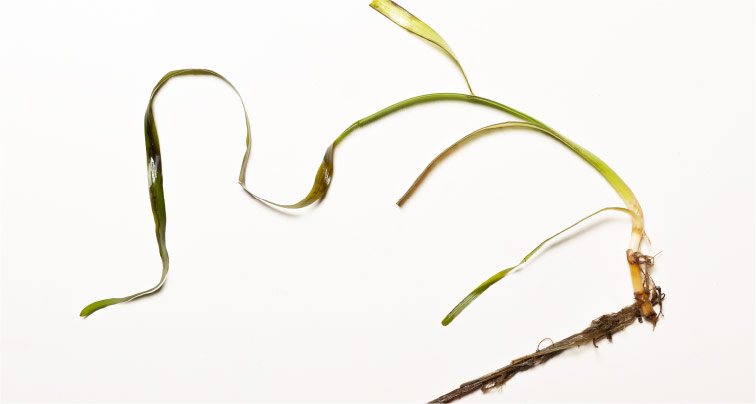
Aponiente's research laboratory classifies marine grain as a superfood: a denser seed than other cereals, midway between rice and legumes, with a nutritional profile shaped by the marine environment.
Comparative analysis figures
Compared with rice, barley, wheat, oats and maize, project trials record:
It also provides vitamins A and E (not found in other cereals tested), B vitamins, omega-3 and omega-6 fatty acids, uncommon amino acids and marine minerals. Full table on Benefits and trade-offs.
Texture and flavour
In kitchen trials the grain is dense and firm, like al dente pasta, with a vegetal, iodised aroma. Work has included rice-style dishes, risotto, fried preparations, flours, breads and dry pasta. Aponiente calls it «sea rice» for its versatility.
Uses
- Direct cooking along rice or pasta lines.
- Flour for breads, snacks or fresh doughs.
- Processed foods leveraging its protein, carbohydrate and fibre balance versus common rice.
Last reviewed: September 2026. Nutritional and culinary data from Benefits and trade-offs and Aponiente · Zostera.